
Type 2 Diabetes: Prevention & Management
Understand what drives type 2 diabetes, how to lower your risk, and the daily habits that help manage blood sugar — no extreme diets required.
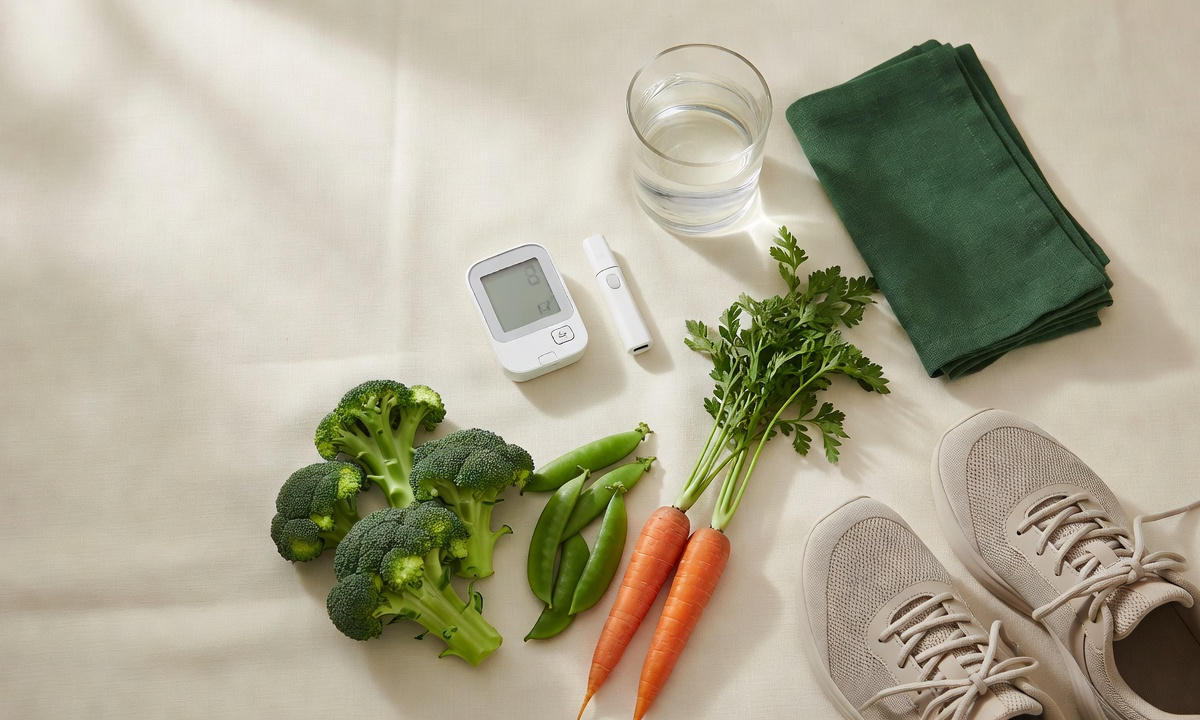
After 40, many people notice that the same foods and routines affect them differently. Energy dips after meals, weight settles around the middle, and annual checkups start to include blood sugar. Type 2 diabetes does not happen overnight. It develops slowly, which also means small, consistent habit changes can make a real difference in your risk and daily wellbeing.
This micro course gives you a clear, practical overview you can use right away. No calorie counting, no forbidden foods, and no scare tactics. Just how blood sugar works, what steadies it, and how to build a routine that fits real life.
Lesson 1: What's Happening in Your Body
Think of blood sugar as fuel moving through your bloodstream after you eat. Insulin is the key that helps your cells open up and use that fuel for energy. With insulin resistance, the lock gets a little sticky. Your cells respond less efficiently, so your body makes more insulin to catch up, and more fuel stays circulating for longer than ideal.
This shift often builds gradually. Muscle mass naturally decreases after 40, sleep and stress hormones fluctuate, and activity patterns change. Less muscle means fewer places for glucose to go. More sitting and broken sleep make insulin less effective. Genetics and family history matter too, but they are not the whole story. Understanding this helps you see why prevention is not about perfection, but about giving your body consistent, supportive signals through movement, food, and rest.
Lesson 2: Food Choices That Steady Blood Sugar
You do not need a special diet to support steadier blood sugar. The most effective pattern is a balanced plate, eaten at regular times.
Build most meals this way: half the plate non-starchy vegetables and leafy greens, a quarter protein like fish, poultry, beans, eggs, or tofu, and a quarter slow-digesting carbohydrates like lentils, quinoa, brown rice, or roasted sweet potato. Add a spoonful of healthy fat like olive oil, avocado, or nuts. Fiber, protein, and fat slow absorption, which helps flatten the rise after eating.
Small timing tweaks help too. Eat your vegetables and protein first when you can, then your starch. Keep gaps between meals consistent rather than grazing all day. If you enjoy something sweet or starchy, pair it with protein or fiber instead of eating it alone. Stay hydrated with water, and notice how alcohol, sugary drinks, and very low-fiber snacks affect your afternoon energy. None of this requires tracking. It is about pattern and pairing.
Try this today: At your next meal, check that you can see protein, fiber, and healthy fat on your plate before you start.
Lesson 3: Movement as Medicine
Your muscles are your biggest ally for handling blood sugar. When you move, they can use glucose even while insulin resistance is present. A short walk after eating is one of the simplest, most reliable tools.
Aim for a 10 to 15 minute easy walk within an hour after your main meals. No need to power walk. A comfortable, conversational pace is enough. If weather or time gets in the way, a few minutes of light tidying, gentle marching in place, or a set of stairs counts.
For longer-term support, build in resistance training twice a week. That could be two 20 minute sessions with bodyweight moves like squats to a chair, wall push-ups, rows with a band, and glute bridges. Muscle helps improve how your body uses fuel even at rest. Break up long sitting every 45 to 60 minutes with one or two minutes of standing, stretching, or walking to refill water. Consistency beats intensity here.
Try this today: After dinner, set a 15 minute timer and walk around your home, neighborhood, or office. Notice how you feel afterward.
Lesson 4: Building a Sustainable Routine
Knowing what helps is different from doing it regularly. The goal is a minimum that still matters, not an ideal that burns you out.
Start with a weekly template you can repeat. For example: protein and vegetables at most meals, a short walk after lunch and dinner most days, two strength sessions, and a consistent bedtime within the same 30 minute window. Put them on a calendar as appointments rather than hoping you will remember.
Sleep and stress shape blood sugar more than people expect. Less than six hours of sleep and chronic stress raise hormones that make insulin less effective. Protect sleep with a wind-down routine, limit late caffeine, and keep your bedroom cool and dark. For stress, schedule micro breaks: three slow breaths before meals, five minutes of outside time without your phone, or a short stretch between meetings. If you miss a day, return to the next meal or next walk. One choice does not undo your progress.
In summary, type 2 diabetes prevention and day-to-day management come down to steady, repeatable signals: balanced plates, movement after meals, muscle maintenance, regular sleep, and a bit of stress relief. None require extremes. Small daily actions, stacked week after week, are what move the needle.
This content is for educational purposes only and is not medical advice, diagnosis, or treatment. Blood sugar and diabetes care are personal. Please talk with your doctor, diabetes educator, or qualified healthcare professional about your own risk, screening, and management plan.